.Cleanairhirejpeg2-dfd9489cfbb1d794093225cb127e977a7efdee787bb7191f80d1df815e9cd30f.jpg)
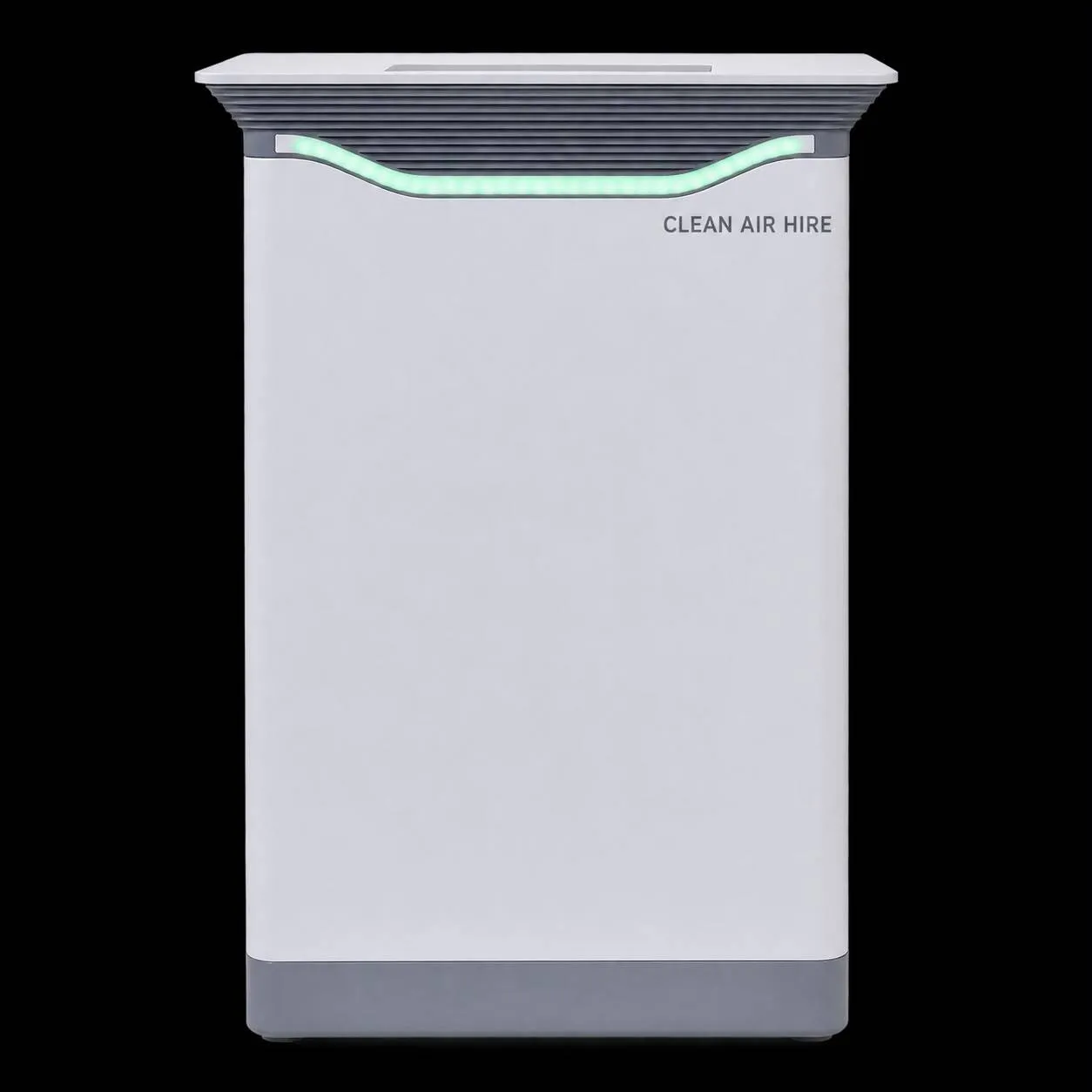
Under HHSRS, damp, mould, and excess cold represent major physiological hazards that directly trigger local authority enforcement.
By getting certified HEPA air scrubbers on-site within 24 hours provides an immediate, decisive control measure that fundamentally changes the outcome of an HHSRS assessment for both tenants and landlords.
- Downgrading Hazard Severity Bandwidths: HHSRS evaluations hinge on the "likelihood of harm" and "severity of outcome." Unaddressed damp rapidly escalates an assessment into Substantial or Extreme bands (formerly Category 1 hazards), which legally mandate local authority action. Having commercial extraction running within 24 hours actively contains the hazard, lowering the risk score during an Environmental Health Officer (EHO) inspection.
- Pre-Empting Formal Improvement Notices: EHOs possess statutory powers to serve Improvement Notices, Prohibition Orders, or civil financial penalties up to £30,000 for failing to address severe biological hazards. Immediate dispatch provides irrefutable physical proof that the housing provider took decisive, timely action to protect habitability before an officer steps foot on site.
- Protecting the Building Fabric from Degradation: Ambient humidity above 70% accelerates structural saturation, penetrating deep into plaster, masonry, and floor timbers. Extracting up to 25 litres of moisture per day from day one keeps water damage localized to the surface, preventing major structural deterioration that would fail HHSRS baseline maintenance standards.
- Creating a Legally Defensible Audit Trail: Providing documented delivery and operation of hospital-grade air cleaning and industrial-grade drying establishes that the landlord exercised due diligence, directly protecting the property manager during Housing Ombudsman investigations or tribunal hearings.